Inside Custom Stair Manufacturing: precision, systems, and standards that can’t fail

Jeff Held is CEO of Century Stair Systems, one of the country’s leading custom stair manufacturers. Over nearly four decades in the industry, Jeff has worked every level of the business—from the shop floor to executive leadership—building a company where precision, accountability, and craft are non-negotiable.
For readers who may not know you yet, can you tell us a bit about yourself?
I live in Ohio, but I commute into the D.C. region every week. I’ve been in the stair business since 1987—almost 38 years now.
I didn’t plan on this career. I was in the Air Force, injured my shoulder, and ended up with a medical discharge. My wife was eight months pregnant at the time, and I needed steady work. A local stair company gave me an opportunity, even though they weren’t hiring.
I started at the ground floor—literally. My first job was painting glue on wood before finger-jointing. From there, one thing led to another.
What was the moment you realized this was more than just a job?
I volunteered for an off-shift supervisor role that no one else wanted. It paid a little more, but it also came with responsibility. That’s how I got into management—not through school, but by stepping up when it mattered.
From there, I worked my way through custom stair shops, production environments, operations, and leadership. It was a long road, but I learned every part of the business along the way.
Production vs. Custom
For people outside the industry, what’s the difference between production stairs and custom stairs?
Production stairs are repeatable. Once you design one, you build it over and over again. The paperwork is the same. The margins are tight.
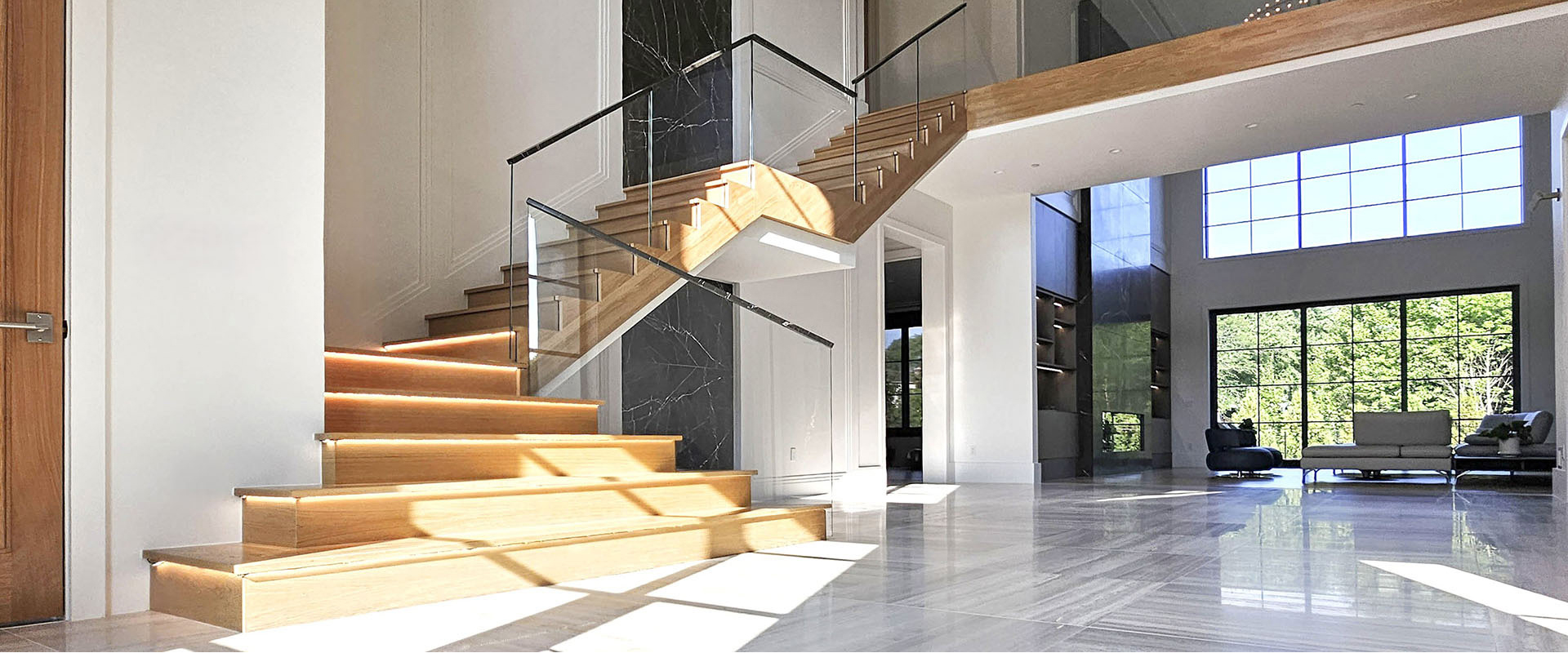
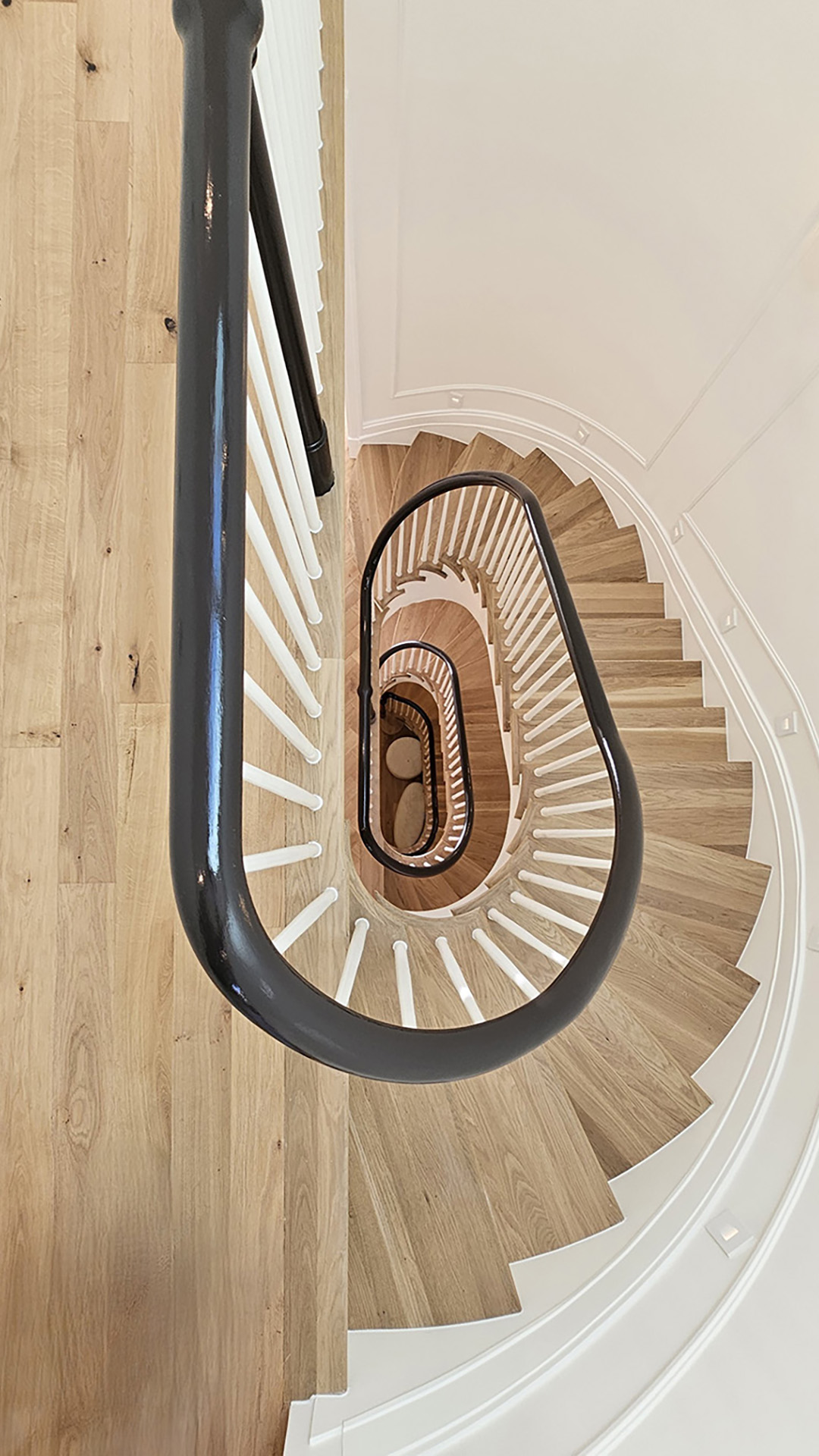
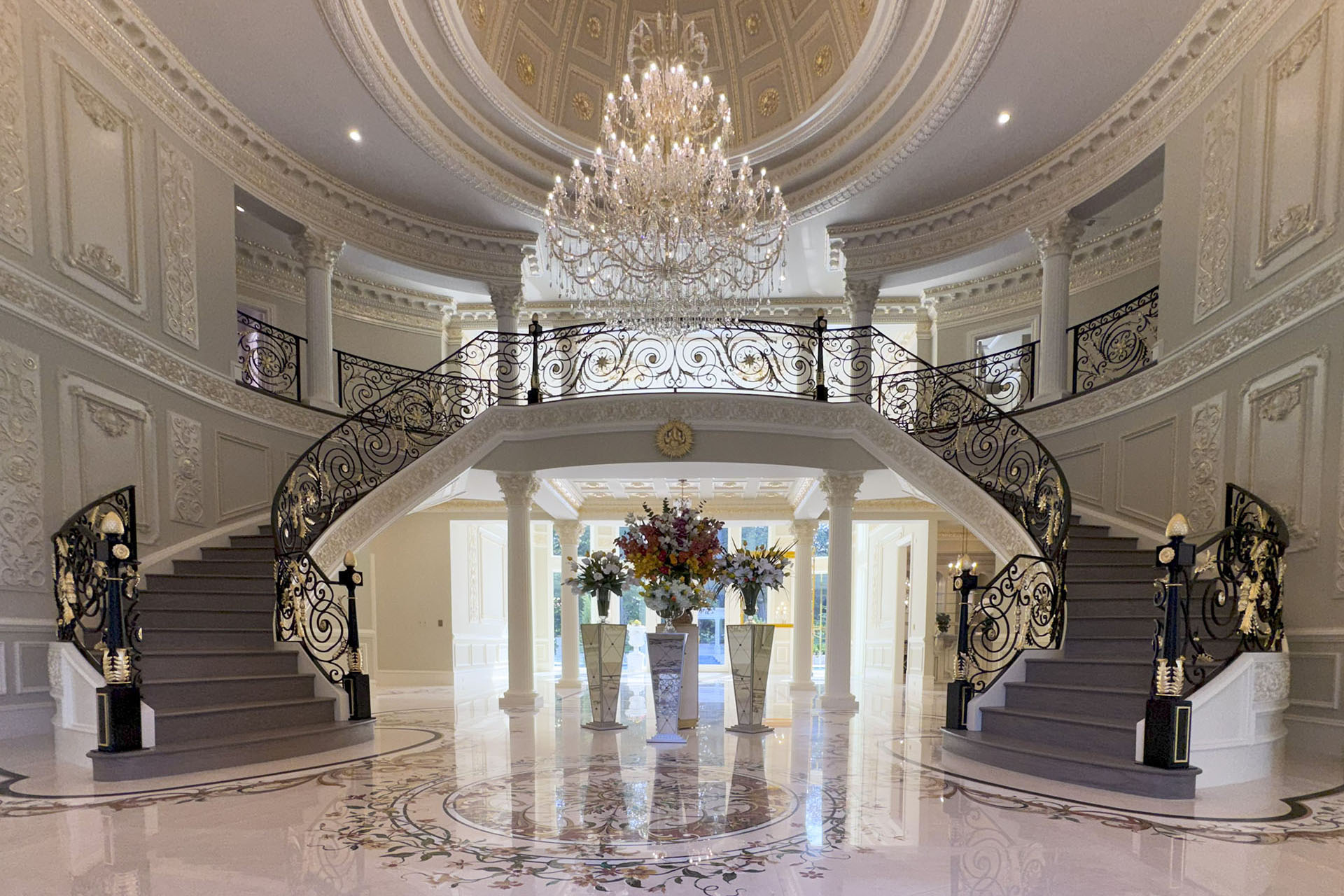
Custom stairs are completely different. Every stair is unique. It’s usually an inspired design grand staircase—architect-driven, highly detailed, and unforgiving. The margins are better, but the skill level required is night and day different.
You’re not making a commodity. You’re building a furniture grade masterpiece.
“With custom stairs, there’s no hiding mistakes. Precision shows.”
Standards, Skill, and the Human Factor
You’ve said a few times that everything starts with the “right human.” What do you mean by that?
You can have all the systems and SOPs in the world, but if the person doesn’t care, none of it works.
Within about 30 days, we know whether someone has the eye for detail and the hand skills required for this work. That doesn’t mean everyone becomes a master stair builder—but it tells us where they belong.
Some people are great CNC operators. Others thrive in logistics or staging. The key is matching the right human to the right role.
How do you maintain standards at scale?
SOPs. Training. Accountability.
Every stair goes through multiple layers of scrutiny—design, build, staging, loading. Even the team loading the trucks has the authority to call a timeout if something doesn’t feel right.
It costs far more to fix a problem in the field than it does on the dock floor.
Automation and Technology
How do you think about automation and AI in a craft-driven business?
We automate wherever it makes sense—cutting, staging, design, CNC. That allows our builders to focus on assembly, quality, fit and finish.
I often say we’re like the IKEA of stair companies. Everything is prepped and kitted. But the final assembly—the part that makes it beautiful—that’s still human artisanship.
AI will absolutely streamline design, review and operations. But you’ll always need someone to check it, feel it, and make sure it has the look and feel of heirloom quality craftsmanship.
“Automation supports the craft. It doesn’t replace it.”
The Invisible Work
What’s something people outside the industry rarely see or appreciate?
The work that happens before the stair ever reaches the job site.
From design to engineering to staging, there are dozens of steps before installation. And once you’re on site, nothing is perfect. Walls are bowed. Floors aren’t level.
Our internal motto is adapt and attack. You solve problems so the customer never sees them.
“The best work hides the hardest problems.”
Materials and Performance
How have materials changed over the course of your career?
When I started, everything was solid hardwood. Beautiful—but unpredictable. Wood moves. Climate matters.
The evolution of engineered panels and veneered substrates has been a huge innovation. You get stability without sacrificing appearance.
Today, we use solid wood where character and wear demand it, and engineered materials where consistency and strength matters most. The goal is materials that behave and complement each other.
Running Lean, Managing Risk
What keeps you up at night as a business leader?
Liability.
Trucks on the road. Installation conditions. Safety. A mistake here isn’t cosmetic—it can be catastrophic.
We’re very good at day-to-day execution. What never goes away is the responsibility that comes with building something people trust with their lives.
Advice for the Next Generation
What advice would you give someone entering this industry today?
Watch your costs. Watch your margins. Don’t borrow money. Pay your bills.
And focus on customer experience—not just customer service.
When your name comes up, you want people to feel good about it. That reputation and character will carry you further than any shortcut.
“Customer experience is when your customer does the advertising for you.”
50 Years of Century Stair Systems
In 2026, Century Stair Systems celebrates its 50th anniversary—a milestone built on design that inspires, precision, discipline, and respect for the craft.
Jeff Held’s career mirrors that same trajectory: earned the hard way, refined over time, and grounded in standards that don’t bend.