How to choose the right marine plywood for the job
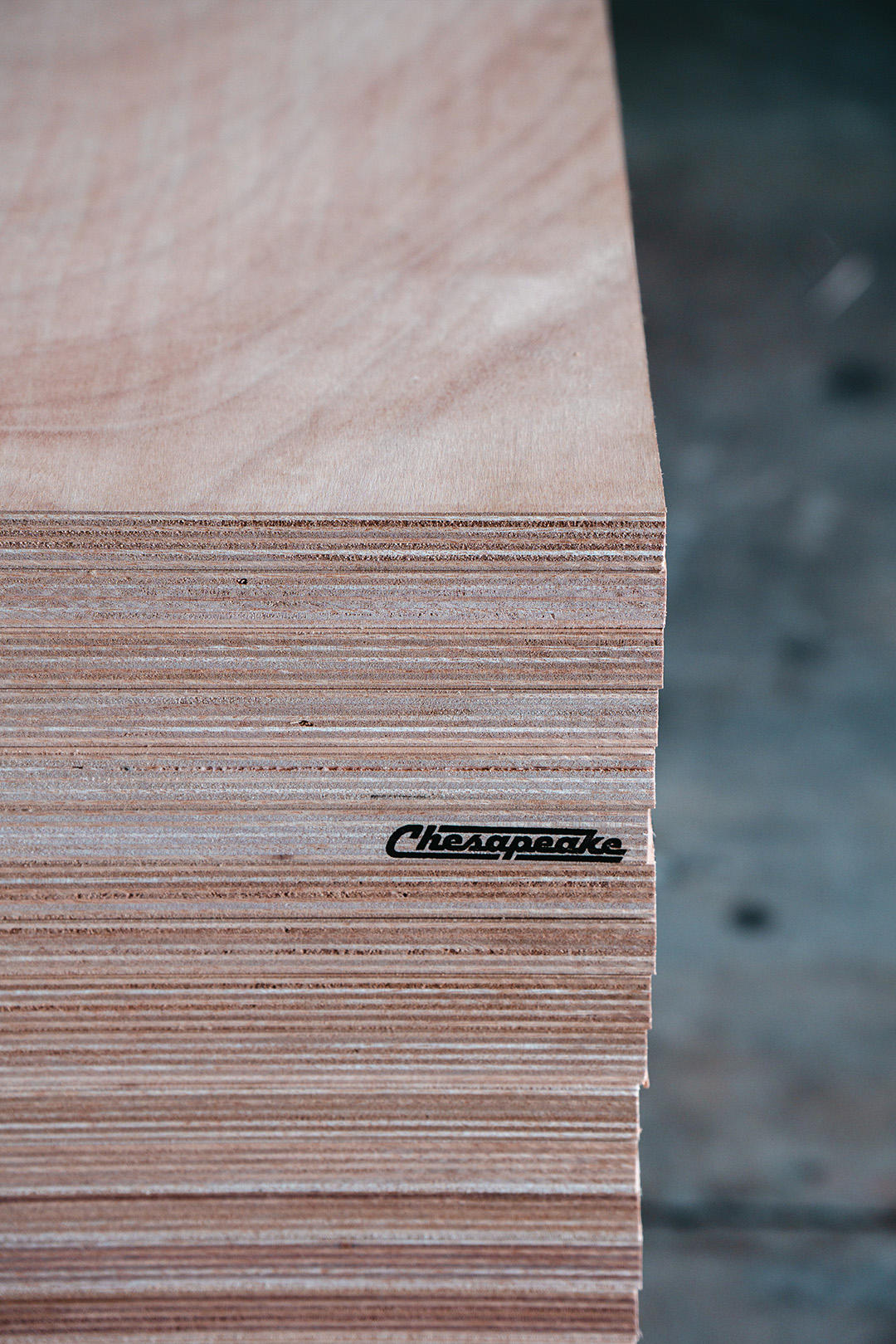
Marine plywood comes in different forms, and two of the most common options on the market are Marine Fir and Okoume. Both are legitimate marine-grade materials. Both are dependable. And both serve very different purposes.
The key is understanding how they differ so you can match the right panel to the right job — not based on assumptions, but on what the project truly requires.
Marine Fir: Strong, Stiff, and Practical
Marine Fir is known for its structural strength and stiffness. It performs well in applications where durability and load-bearing ability are the priority. It’s widely used, readily available, and works well when the surface will be covered or appearance isn’t the main concern.
Because of the natural characteristics of fir grain, the surface can show checking or visible movement over time, especially in environments with moisture fluctuation. This isn’t a flaw — it’s simply how the material behaves.
Marine Fir typically comes in at a more economical price point, making it a smart option for structural or utility-driven applications.
Okoume: Lightweight, Smooth, and Finish-Friendly
Okoume is known for its light weight, fine grain, and smooth surface. It’s easier to shape, easier to finish, and more stable in moisture-heavy environments. That makes it a popular choice for boatbuilding, exterior architectural work, and projects where paint or finish quality matters.
Because Okoume comes from a limited sourcing region and requires higher-grade veneers, it generally sits at a higher price point. That price correlates to the finish and workability benefits it offers.
Again, this doesn’t make it better — just better suited for applications where appearance and stability are priorities.
Two Marine-Grade Options With Different Roles
Marine Fir and Okoume both fall under the marine category, but they aren’t interchangeable.
A simple way to look at them:
Marine Fir
Strong. Stiff. Cost-effective. Best for structural or covered-surface applications.
Okoume
Lightweight. Smooth. Stable. Best for visible, shaped, or finish-critical applications.
Neither material replaces the other. They serve different needs, different environments, and different design goals.
Avoiding the “Marine vs. Exterior vs. Pressure-Treated” Mix-Up
A common misconception is that marine plywood is similar to exterior or pressure-treated plywood. The names sound close, but the materials are not.
- Exterior plywood is built to handle weather exposure but not repeated, long-term water contact.
- Pressure-treated plywood is treated to resist decay, but it isn’t manufactured for the surface quality or structural consistency required in marine environments.
- Marine Fir and Okoume use higher-quality veneers, stronger adhesive systems, and tighter core construction for environments where water exposure is expected.
Understanding this distinction helps prevent using the wrong material for the job.
Price Point Differences
Because the materials, sourcing, and production methods differ, Marine Fir and Okoume naturally fall into different price ranges.
- Marine Fir typically offers a more economical marine-grade solution.
- Okoume is positioned at a higher price point due to its veneer quality, weight advantages, and finish characteristics.
Both pricing structures make sense within their respective applications.
The Bottom Line
Marine Fir and Okoume aren’t competitors. They’re two purpose-built marine plywood options designed for different conditions and expectations. When you choose based on the actual needs of the project — not the label alone — you get better performance, longer-lasting results, and fewer surprises down the road.