The lowest price quote is not always the lowest-cost decision.

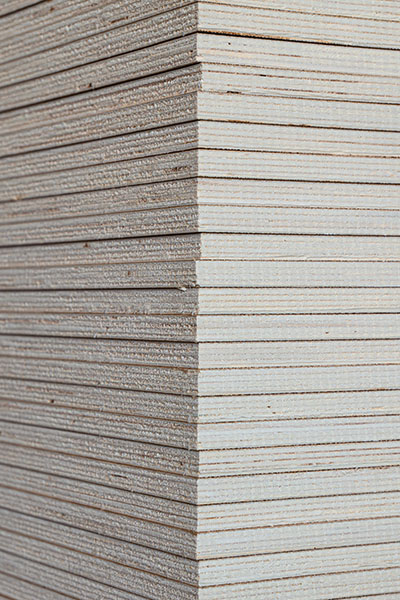
In specialty plywood and panel products, the real cost of a material choice often shows up later.
It appears in rework, delays, mismatched finishes, production issues, replacement orders, and time spent solving problems that could have been avoided with the right product and the right supplier.
Every project has budget pressure. That is part of the business. But when a material is chosen on price alone, the risk does not disappear. It moves downstream.
A cheaper panel may look right on paper. It may satisfy the immediate need to lower a quote or hit a budget target. But if the panels do not match on arrival, if a reorder looks different from the original shipment, or if the product fails to perform as expected, the savings can disappear quickly.
When Consistency Matters
White oak is a good example.
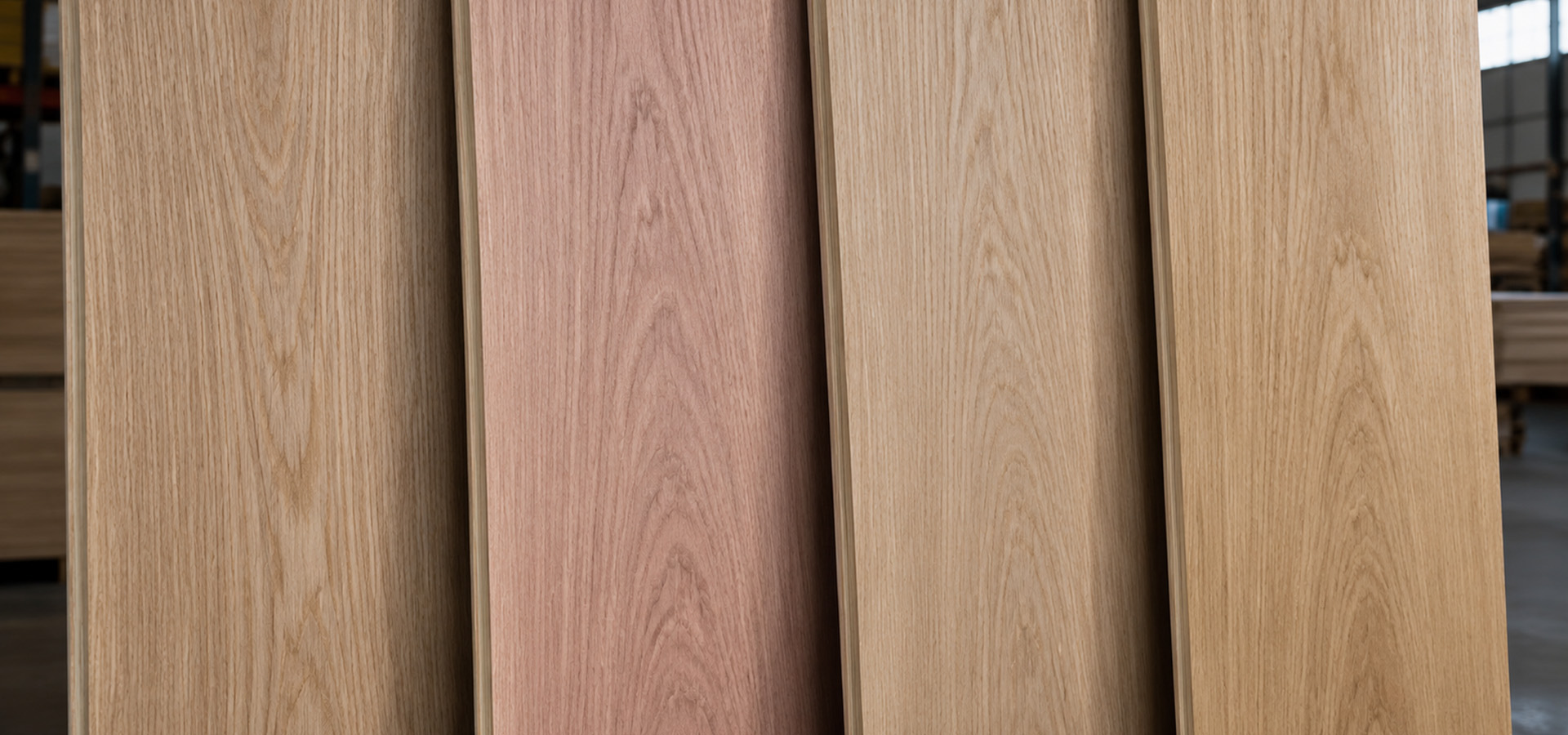
Even within the same broad product category, white oak veneers can vary significantly in color and grain. One panel may have the warm oatmeal tone a project team expects. Another may carry a pinkish cast that becomes more noticeable once it is finished or installed.
Neither panel is necessarily defective. Natural variation is part of working with real wood. The problem arises when consistency hasn’t been considered before the material is ordered.
On a small job, that may be inconvenient. On a high-profile installation, it can become expensive.
Color variation can affect fabrication, installation, finishing, client approvals, and reorders. If matching becomes difficult halfway through a project, the customer is often left carrying the cost in additional labor, delayed timelines, and compromised results.
That is why source consistency matters. Understanding where materials come from, what variations to expect, and whether matching stock will be available for future orders can make a significant difference to the outcome.
The Supplier Is Part of the Equation
And material quality is only part of the equation.
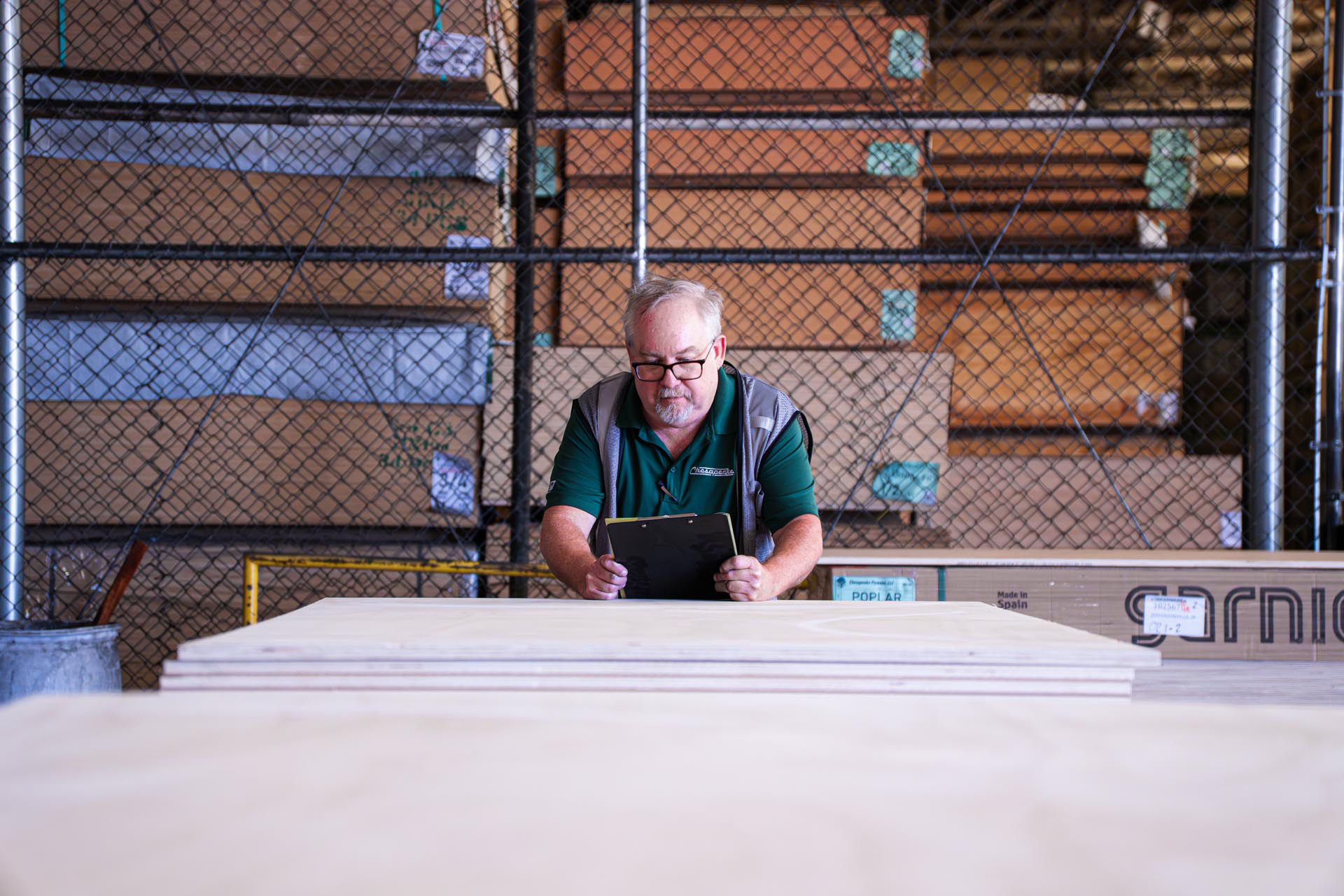
An incomplete order can bring production to a halt. An unexpected substitution can create additional work. A missed delivery can leave a crew waiting on material that should already be on site. It doesn’t take many of these interruptions to erase the savings of a lower price.
A reliable supplier is not simply moving product from one place to another. They are helping protect the outcome of the job through product knowledge, careful order fulfillment, dependable logistics, and clear communication.
The same is true when an issue does arise.
Every supplier will eventually face a problem. The difference is what happens next. Does the supplier stay involved? Do they understand the product well enough to help resolve the issue? Do they take ownership and follow through?
Those questions matter just as much as the number on the quote.
In the end, cheap product is not always a savings. Sometimes it is a deferred cost.
The better question is not simply, “What does this material cost today?” It is, “What does this decision protect over the life of the project?”
At Chesapeake Plywood, we believe the right panel is only part of the solution. The expertise, precision, and accountability behind it can make the difference between a job that gets done and a job that gets done right.