Engineering-led problem solving, material innovation, and why the future of wood may depend on using what we already have.
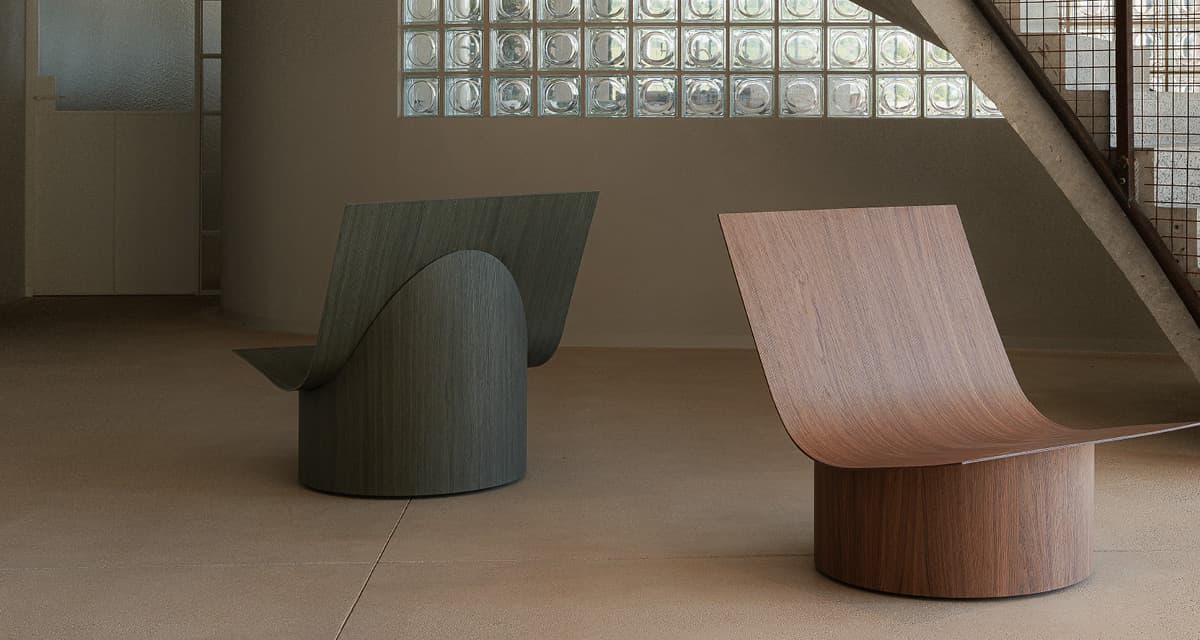
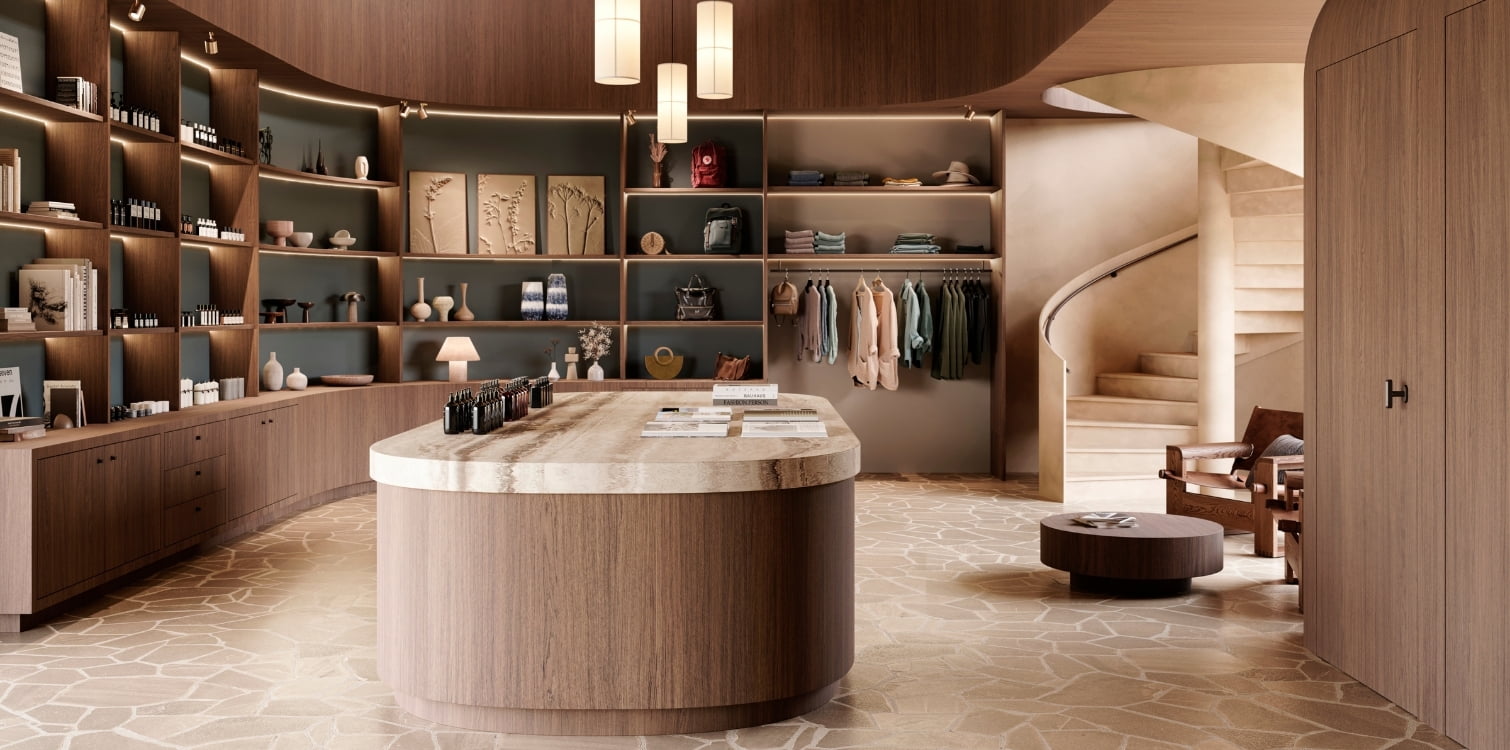
A wood panel can look deceptively simple.
But behind it are decisions about fibers, resins, surfaces, performance, regulations, manufacturing, and increasingly, what happens to that material at the end of its life.
That complexity is part of what drew Jan Deblaere to the industry.
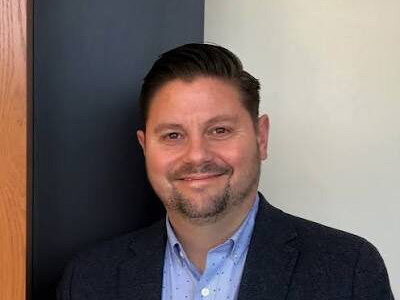
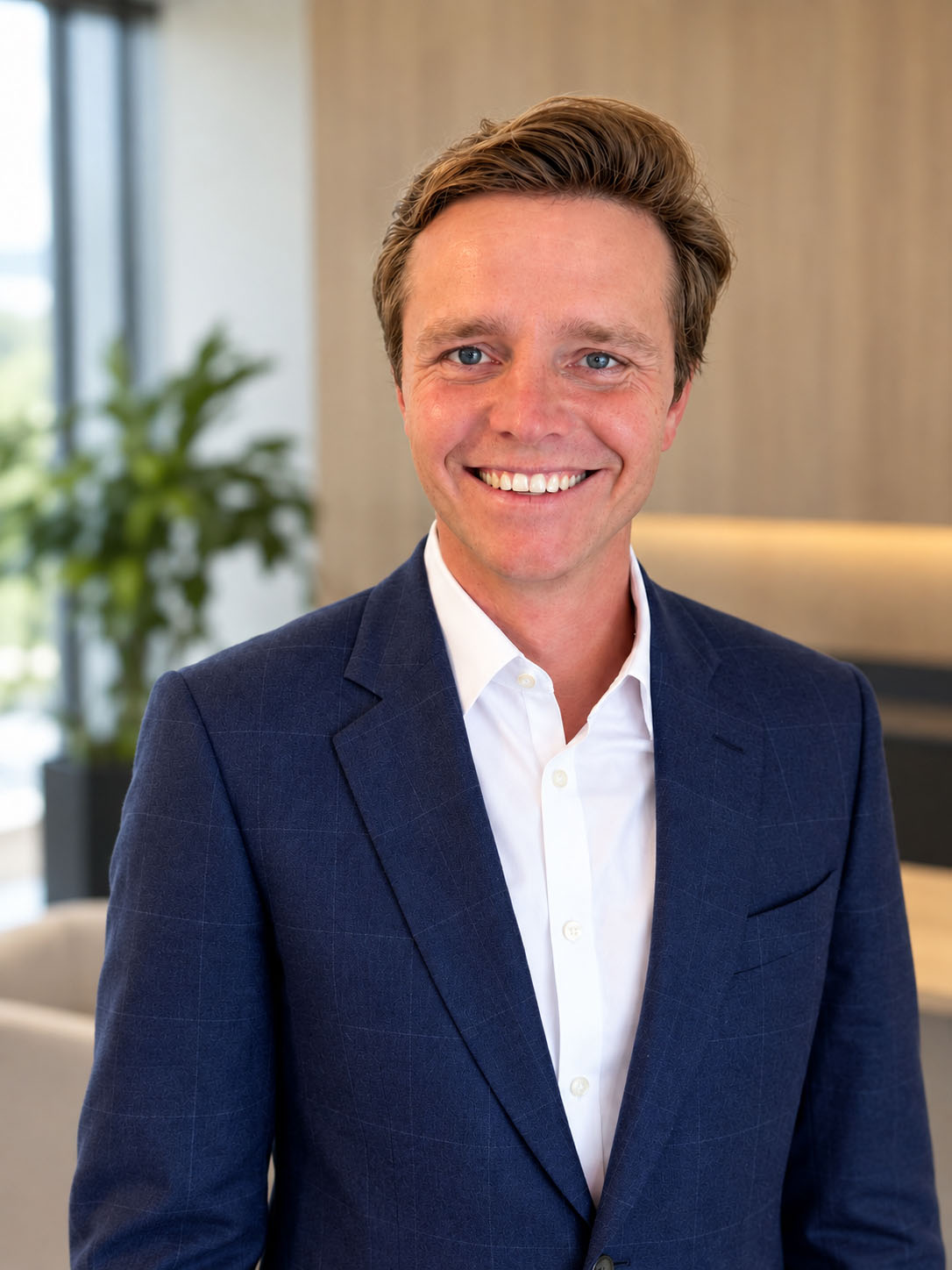
An electromechanical engineer by training, Jan is now a Sales Manager for Unilin Panels in North America, focused on the East Coast. Originally from Belgium and now based in Virginia, he occupies an interesting space between the technical and commercial sides of the business.
For Jan, selling a material is rarely just about selling a material. It is about understanding the problem, translating what the market needs, and helping develop a better solution.
In this Meet the Maker, Jan talks about bringing an engineering mindset to sales, why the wood industry needs more young people, the growing importance of tactility in design, and Unilin’s ambition to keep wood in circulation for as long as possible.
You trained as an engineer. How did you end up in the wood products industry?
I studied electromechanical engineering, and I eventually moved into sales engineering.
What always interested me was being able to come to a customer with a solution. That is what attracted me to Unilin and the wood panel business.
Unilin is a very innovative company, so there is a strong connection between the work I do today and the way I was trained to think as an engineer. You are looking at a problem, understanding the technical requirements, and figuring out how the product can solve it.
There is also a very strong focus on sustainability and innovation, which made it even more interesting to me.
How does that engineering background change the way you approach sales?
People can look at a wood panel and think, it is just a panel.
But there is much more happening inside that panel.
You have to source the right wood, use the right resins, manufacture a consistent board, and make sure it performs for the application. Then every market has its own requirements.
North America, for example, has specific regulations around formaldehyde emissions, fire ratings, and other performance standards. A customer does not just need the material. They may need testing, documentation, processing guidance, and technical support.
Every panel can behave differently, especially once you start adding decorative surfaces.
My job is partly to help the millworker understand how to work with the material, but it also goes the other direction. I have to listen to what the market is telling us and translate that back to our teams in Belgium.
That is an important part of innovation.
“If you don’t listen to the market, you will never be an innovator.”
We talk a lot in this series about the different paths people can take into the wood industry. Do you think younger people understand the opportunities that exist?
Not enough.
The wood industry is an old industry, but that does not mean it is a dead industry. We keep innovating.
When you look around the industry today, though, there are a lot of people in their forties, fifties, and beyond. It is becoming more difficult to find young people who are interested in these kinds of industries.
That is unfortunate because there is still a lot happening here. There is engineering. There is design. There is manufacturing. There is chemistry. There is sustainability. There is sales and logistics.
There are many different ways to build a career in wood.
“The wood industry is an old industry. But that doesn’t mean it’s a dead industry.”
Sustainability is a major focus for Unilin today. Has that always been part of the company?
It really goes back to the beginning.
Unilin originally started by finding a use for waste from the flax industry. Only a small part of the flax plant was being used to make linen, so the company found a way to take what was left, break it down, and turn it into construction boards.
That idea of taking a waste stream and giving it another purpose has stayed with the company.
Today our particleboard is made from 100% recycled wood, and more than 90% of that is post-consumer.
Traditionally, when we think about sourcing wood, we think about forests. But there is already an enormous amount of wood around us, in old furniture, buildings, interiors and construction materials. Instead of treating it as waste, the goal is to keep the wood in use.
We sometimes say, “The city is our forest.”
You begin looking at the existing built environment as a source of material.
“The city is our forest.”
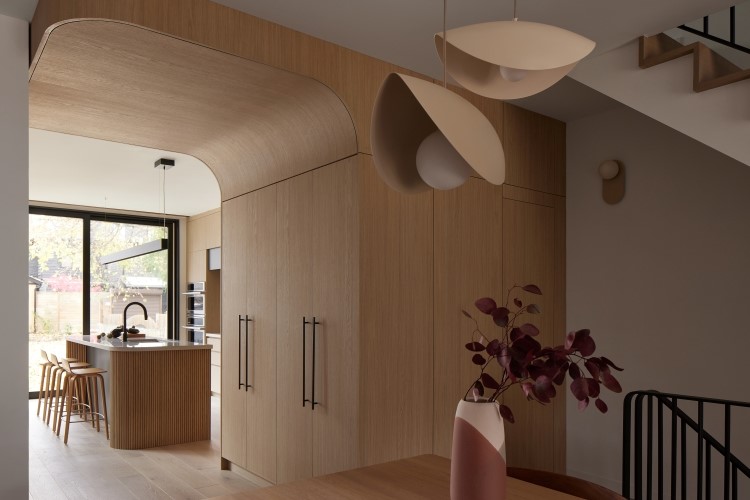
MDF has traditionally been much harder to recycle. What is changing there?
MDF is difficult because you have very fine wood fibers that have been bonded together with resin.
Historically, there was not an industrially viable way to separate those fibers again and make a new high-quality board from them.
Unilin developed a patented technology called Osiris that allows us to recover those fibers so they can be used again — a world first. That is a very important step because otherwise a lot of MDF reaches the end of its first life and gets burned or disposed of.
The goal is to keep that wood fiber in the material cycle longer.
And then you have to think about everything else in the process too. What waste can be recycled? What can be recovered by another industry? What can be used to generate energy?
You try to give every material another purpose before treating it as waste. We currently recycle 140,000,000 pounds of wood fibers per year.
What are you hearing from architects and designers right now? What matters most to them?
I would put it into three areas.
The first is ease of use.
If you specify a decorative panel, you want the complete solution. Is matching edge banding available? Is there matching laminate available if the project has curved or other specialized elements? Can the fabricator actually execute the design consistently?
The second is availability.
A product can look great in a sample, but if an architect specifies it, the material has to be accessible when the project needs it. Some projects are planned far ahead. Others get value-engineered or changed late in the process, and suddenly everything has to move very quickly.
The third is sustainability.
We are having more conversations around recycled content, VOCs, formaldehyde, certifications, and what is actually inside the material.
Designers want to understand the environmental impact of what they are specifying.
Master Oak has become an important product for Unilin in North America. What problem were you trying to solve with it?
We listened to millworkers.
One of the challenges they talked about with traditional wood veneer was consistency. Wood is a living, natural material. You can have tone variation from one panel to another.
That can be beautiful, but on a very large installation it can also create challenges, particularly if the end customer expects everything to look exactly like the sample they approved. And it goes beyond appearance: veneer means sequencing, matching, finishing. Every one of those steps add cost and risk.
Master Oak gives them another option.
It is an engineered decorative surface, so the color and appearance are repeatable. What you specify is what you get.
At the same time, the goal was not to make something that looked like the older decorative surfaces people associated with synthetic materials.
Those could look flat or plasticky. You could see the wood grain, but there was no real depth to it.
With Master Oak, we wanted to get much closer to the appearance and feel of traditional wood while providing the durability and consistency of an engineered surface.
“What you spec is what you get.”
You mentioned the feel of the material. Is tactility becoming more important in design?
Absolutely.
Design is becoming a fuller experience. It is not only about what you see anymore. People want to touch surfaces.
That is why texture matters so much.
With our patented Timber Touch Technology, the goal is to create that natural feel. The surface follows the grain the way traditional oak does — rough where oak is rough, smooth where it is smooth — with an extremely matte finish, almost like unfinished veneer.
That changes the way it behaves in a room too. You do not have the same light reflecting from a shiny, perfectly flat surface.
All of those details work together.
You want someone to walk into a space, see the material, touch it, and experience it without immediately thinking, “This is an imitation of wood.”
What do you look for when choosing a distributor to represent a product like that?
Commitment is probably number one.
For us, availability in the market is extremely important. That means having the collection in stock and maintaining sufficient inventory.
But it goes beyond inventory.
We want access to the sales team. We want people who are willing to go into the market with us, talk with millworkers, understand the applications, and have technical conversations.
It is also important to have people who can speak with architects and designers.
That is a different conversation.
You cannot just walk into an architecture firm with a sample chain and say, “This is what we have.”
You have to understand what they are trying to accomplish. You have to listen, ask the right questions, and help them think through the solution.
When you look five or ten years ahead, what excites you most about where the industry is going?
I think there will be much more focus on the environmental impact of materials.
We have to get better at thinking beyond the first life of a product.
What happens to furniture when it is removed? What happens to a wall panel when a building is renovated? Can we recover that material instead of sending it to landfill?
Then there is innovation at the chemistry level. Can we develop more bio-based resins? Can we reduce the amount of fossil resources required to manufacture a product? Can we design materials from the beginning with their end of life in mind?
Wood is an incredible resource, but we should use it intelligently.
The future is not only about making a better panel.
It is about understanding where the material came from, how long we can keep it useful, and what we can turn it into next.